
Map demand
List the most common request types, their arrival channels, time sensitivity, and current owners.
Philippines-based support roles
Start with the repeatable calls, tickets, updates, and follow-ups slowing your team down. Match the work to a focused assistant or managed support lane with explicit owner boundaries.
Plan my team ↗
Each service explains the work to include, controls to keep, first-week plan, evidence to review, and next action. Use the page as a starting brief rather than a rigid package.

Give customers a helpful first response from a Philippines-based assistant who follows your answers, account rules, and escalation path.
See the workflow ↗Add a trained Philippines-based assistant for repeatable troubleshooting, ticket updates, account access checks, and clean technical escalations.
See the workflow ↗
Keep order questions, invoice follow-ups, payment-status checks, and account notes organized without handing off financial decisions.
See the workflow ↗
Pair a busy leader with a Philippines-based executive assistant who can protect focus time, coordinate meetings, prepare agendas, and keep follow-ups moving.
See the workflow ↗
Use a Philippines-based virtual assistant to watch approved queues, answer routine requests, flag urgent cases, and prepare a clean next-shift handoff.
See the workflow ↗
Give your sales team a Philippines-based assistant for list research, first-touch outreach, qualification notes, CRM hygiene, and booked-call coordination.
See the workflow ↗Add a Philippines-based customer success assistant for onboarding reminders, routine check-ins, account notes, and early risk flags.
See the workflow ↗Support your online store with Philippines-based assistants who can answer order questions, update products, coordinate returns, and keep issue notes current.
See the workflow ↗Add a Philippines-based administrative assistant for appointment coordination, reminders, records requests, and non-clinical follow-up under your privacy rules.
See the workflow ↗
Use a Philippines-based quality assistant to sample work, apply your scorecard, prepare coaching notes, and surface repeat process issues.
See the workflow ↗A role is easier to launch when the incoming work is visible and the finish line is clear. Look for queues where routine items wait for attention, notes are incomplete, callbacks lack an owner, or managers repeatedly perform steps that can follow a documented rule.
Do not delegate a problem simply because it is time-consuming. Keep work with your team when it depends on undefined judgment, unrestricted access, policy exceptions, or authority that cannot be separated safely.
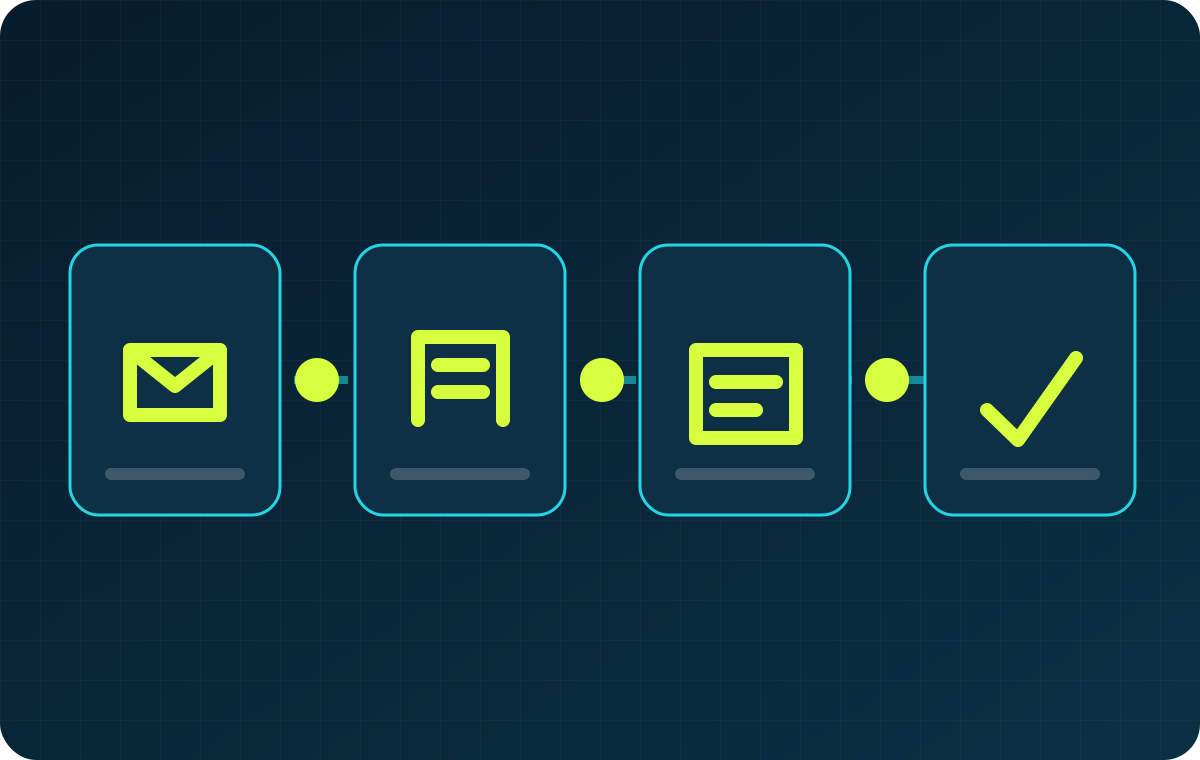
Before matching talent, define the inputs, authorized actions, stop conditions, outputs, and quality evidence for the first queue.
The right starting point is meaningful enough to help the business and narrow enough to observe closely.
List the most common request types, their arrival channels, time sensitivity, and current owners.
Mark the actions an assistant may take and the exceptions that require an authorized manager.
Decide which note, status, sample, or receipt will prove that the work and handoff were completed.
No. Bring several real examples and explain how the work is handled today. The discovery process can help turn those examples into a narrower starting lane, but your managers remain responsible for approving policies and decision boundaries.
It can when the work types, knowledge source, identity checks, and escalation ownership are consistent. Avoid combining unrelated queues merely to fill a schedule.
Use a limited queue, controlled access, daily review, and a shared quality standard. Expand only after the team can show stable outputs and accepted handoffs.
Your authorized owners retain policy, financial, legal, clinical, and other high-risk decisions. The support team should preserve the facts and route the case through the documented escalation path.
Start with the work
Show us the work that gets delayed, repeated, or missed. We will help turn it into a practical Philippines-based role brief.